Samuel Harris- A Keystone Soldier in Three Armies
By: Aaron Heft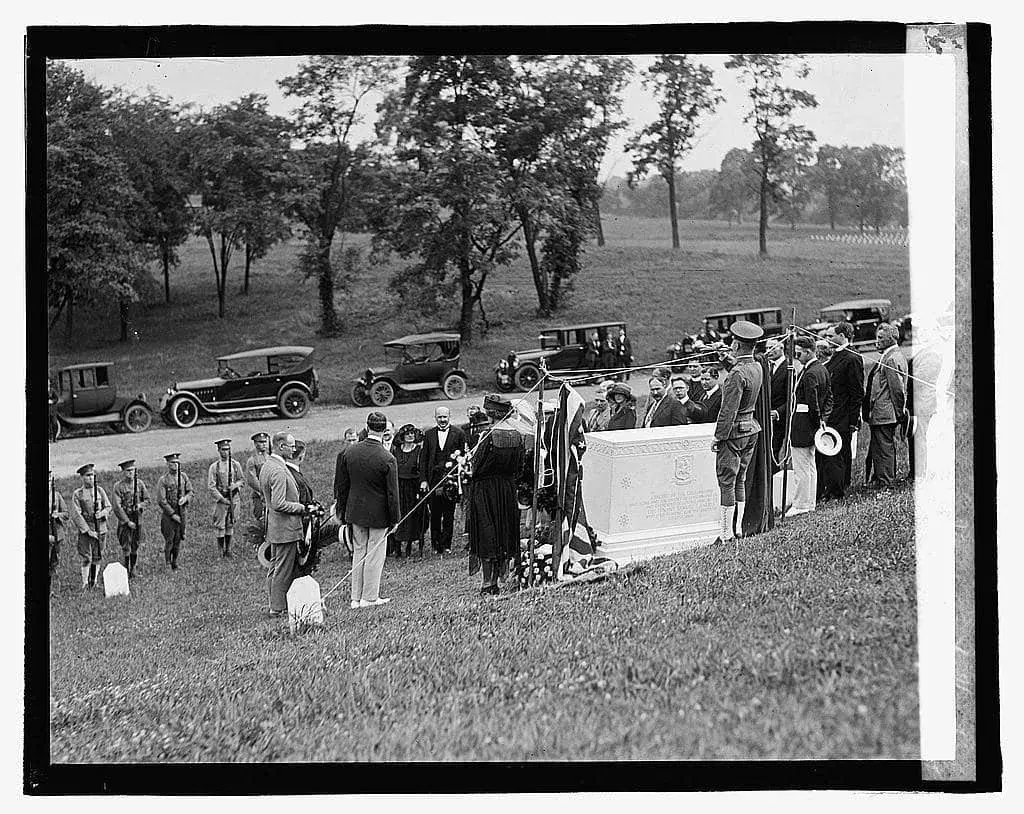
Samuel Harris was born in Shippensburg in 1896, the son of the Cumberland County Sherriff. After graduating from Carlisle High School he attended Dickinson College as part of the Class of 1917, and enlisted in the “Gobin Guards,” Company G of the 8th Infantry NGP in 1914. Harris dropped out of college when trouble flared up along the Mexican border in 1916, spending a year with the unit along the border in El Paso. When the unit was called up for WWI service Harris was promoted to Sergeant, eventually becoming a member of the newly formed 112th Infantry. Harris shipped with the unit to France in May and saw heavy fighting with the 28th Division.
Harris earned a commission in September of 1918 and became a Second Lieutenant in Headquarters Company of the 112th. After the Armistice Harris would be transferred to the 110th Infantry, and later run through a series of advanced officer schools in France. When the Division was shipped home in 1919, Harris remained in France, transferring to a Regular Army Military Police unit in April.
With the war at a close, Harris was not ready to return home and travelled to Paris to volunteer with the Polish Legion in their fight for independence from Bolshevik Russia. After serving in several battles in Poland fighting died down there and Harris again sought more frontline action.
In 1920 Harris became an officer in the “American Brigade” or “Lithuanian American Brigade,” an unofficial group of volunteers and veterans assisting the Lithuanian people in fighting for an independent state. With his extensive combat experience, he was made an instructor in the new army. Tragically he was killed in February of that year when a Bolshevik uprising over pay sent the city of Kovno into chaos.
Harris’ body would later be repatriated to the United States and in 1922 Lithuanian American organizations would erect a monument in recognition of his service in Arlington National Cemetery.